Kids apparel is one of those things families interact with every single day, yet it often does not get talked about beyond size, color, or whether something is cute. In reality, children’s clothing plays a much bigger role in daily life than people sometimes realize. It shapes comfort, confidence, movement, routine, and even how smoothly a day goes from morning to bedtime. From getting ready for school to running around outside, relaxing at home, celebrating holidays, and heading out on family trips, the clothes children wear are part of nearly every moment.
When people think about kids apparel, the first image is usually style. Bright colors, fun prints, tiny outfits, and coordinated looks are definitely part of the appeal. Dressing kids can be fun. There is a certain charm in finding clothing that feels playful, cheerful, and full of personality. But for parents and caregivers, style is only one piece of the equation. The best kids apparel combines good looks with practicality. It needs to feel good, hold up well, fit properly, and make life easier rather than harder.
Children live actively. Even kids who seem calm and low-key have moments of climbing, crawling, stretching, running, spinning, building, and playing in ways that place real demands on what they wear. Their clothes need to move with them. That means fabrics that do not feel stiff, cuts that do not restrict their arms or legs, and pieces that can handle the rhythm of real childhood. A shirt may look great hanging up, but if it rides up constantly, scratches the neck, or twists awkwardly during movement, it becomes frustrating fast. Good kids apparel should feel natural on a child’s body, not like something they are fighting all day.
Comfort is one of the biggest reasons apparel matters so much for children. Adults can usually power through a day wearing something slightly uncomfortable. Kids are not built that way, and honestly they should not have to be. If socks are itchy, pants are too tight, or a seam rubs in the
wrong place, it can affect their mood, patience, and focus. Something as simple as softer materials, better fit, or waistbands that do not pinch can make a real difference. Comfortable clothing supports happier mornings, smoother school days, and easier transitions between activities.
There is also the issue of independence. As children grow, one of the most valuable things clothing can do is help them dress themselves more easily. Apparel that is simple to pull on, easy to fasten, and designed with real use in mind can support that process in a big way. A child learning to get dressed wants success, not a battle with twisted sleeves or complicated closures. Easy everyday clothing builds confidence because it gives children the chance to participate in their own routines. That sense of “I can do it myself” matters far beyond the closet.
Kids apparel also plays a quiet but powerful role in self-expression. Even at a young age, children start developing preferences. They gravitate toward certain colors, textures, graphics, and types of outfits. Some want bold and playful. Some prefer soft and simple. Some are drawn to sporty looks, while others love dressier pieces or fun details that feel imaginative. Giving children room to express some personality through what they wear can help them feel seen and involved. It does not mean every outfit has to be chosen entirely by them, but it does mean apparel can be part of helping them discover their own likes and sense of identity.
Another important part of kids apparel is how well it fits into real family routines. Parents are not just buying a shirt or a pair of pants. They are buying something that has to survive breakfast messes, playground dirt, school days, naps, car rides, and laundry cycles. That is why versatility matters so much. Pieces that can move from one setting to another without needing constant changes tend to become favorites. Comfortable leggings, easy tops, practical joggers, soft sets, and everyday layers often earn their place because they work hard. They simplify dressing while still allowing kids to look put together and feel good.
Seasonal changes make apparel even more important. Children need clothing that supports them through warm afternoons, chilly mornings, rainy days, and shifting weather that seems to change its mind every few hours. Layering becomes a major tool in making kids apparel more functional. Lightweight jackets, cozy outer layers, breathable basics, and easy add-on pieces help families adjust without overcomplicating things. The best wardrobes are not always the biggest. They are the ones built around pieces that work together, adapt easily, and support the pace of the season.
Durability is another major factor, especially because children rarely wear clothes gently. Knees hit the ground. Sleeves get tugged. Shirts get spilled on. Pajamas become superhero costumes. A good kids clothing wardrobe has to hold up under all that living. Apparel that loses shape immediately, fades too fast, or breaks down after a few washes may look fine at first, but it does not offer much value over time. Families often appreciate clothing that keeps its softness, shape, and usefulness even after repeated wear. The goal is not perfection. It is dependable quality that can keep up with actual childhood.
At the same time, affordability and value matter because children grow quickly. One of the biggest challenges in shopping for kids apparel is knowing that a child may outgrow a favorite size before the season is even over. That makes thoughtful purchasing even more important. Families often look for clothing that strikes a balance between comfort, style, and practicality without feeling wasteful. Pieces that can mix and match well, work across different occasions, and remain comfortable as kids grow are especially useful. A smaller set of versatile clothing often serves a child better than a closet full of outfits that are hard to wear in real life.
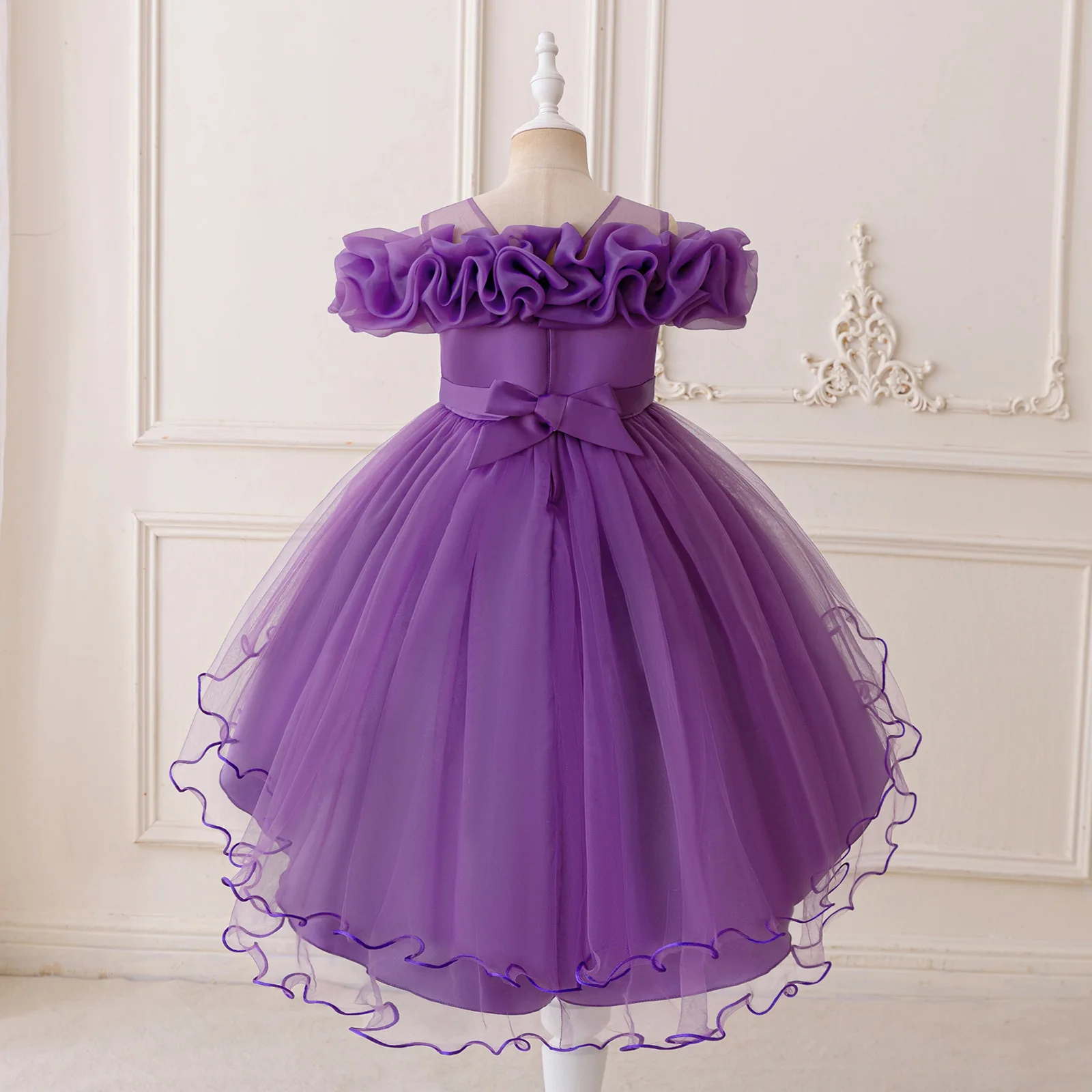
Special occasion clothing also has its place, but even there, comfort and usability still matter. Whether it is a birthday, family gathering, holiday, photo day, or another memorable event, children deserve outfits that feel a little special without making them miserable. The best dressier apparel still allows movement, breathing room, and comfort. It lets children look
polished while still feeling like themselves. There is a sweet spot between formal and practical, and when families find it, everyone tends to have a better time.
One of the most underrated aspects of kids apparel is how it supports emotional ease. Children notice when they feel good in what they are wearing. Clothes that fit well and feel good can make them more comfortable walking into school, playing with others, joining family events, or trying something new. On the other hand, clothing discomfort can become a hidden source of frustration that affects the whole day. Apparel may seem simple from the outside, but it often interacts with a child’s mood and confidence in subtle ways.
Parents also know that laundry reality shapes clothing choices more than idealized wardrobes do. Kids apparel needs to be washable, wearable, and repeatable. The pieces that become household heroes are usually the ones that can be tossed on again and again without needing delicate treatment. Easy-care fabrics, practical sets, and staples that coordinate effortlessly can make a huge difference in everyday household management. In many homes, the best children’s clothing is not the fussiest or most elaborate. It is the apparel that consistently shows up and does its job well.
There is also something meaningful about clothing that helps create a sense of rhythm and normalcy. Pajamas signal bedtime. Play clothes signal freedom to move and explore. A favorite hoodie becomes comfort on a long day. A reliable jacket means being ready to head out the door without drama. These may seem like small things, but they become part of the pattern of family life. Kids apparel does more than cover a child. It supports routines, transitions, and the familiar structure children rely on.
Style still matters, of course, and it should. Childhood is a bright, expressive time, and clothing can reflect that beautifully. Fun colors, playful prints, classic patterns, and charming details all help make kids apparel feel joyful. But the strongest wardrobes are the ones that combine that joy with common sense. They are built around clothing children can actually live in. They support activity, comfort, confidence, and day-to-day family needs without sacrificing personality.
In the end, kids apparel is not just about dressing children. It is about equipping them for the flow of everyday life. It helps them move, play, learn, rest, celebrate, and grow with comfort and confidence. The right clothing can make mornings easier, support independence, reduce stress, and let kids feel good being exactly who they are. When chosen thoughtfully, kids apparel becomes more than fabric and size tags. It becomes part of a child’s daily experience in a way that is practical, personal, and genuinely important.